
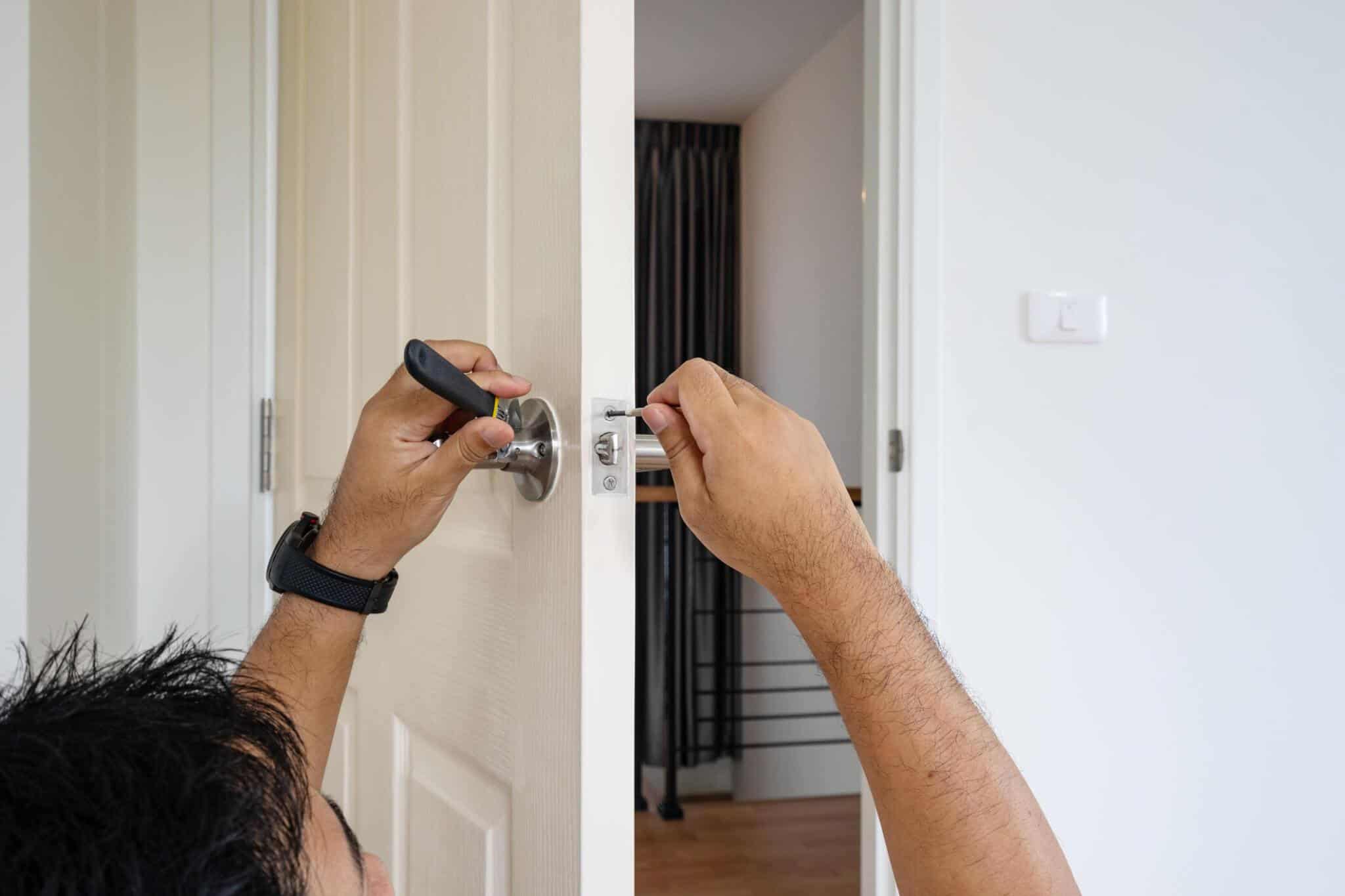


Trends in Lock Technologies for Enhanced Home Security
The latest advancements in lock technologies allow homeowners to better protect their properties, adding an extra layer of security. The trend for 2023 and beyond leans towards digitized and smart locking systems with various features such as:
- Bluetooth Enabled Locks: Use your smartphone as the key, making it less likely to be lost or stolen.
- Biometric Locks: High-tech locks which utilize fingerprints or retina scans for access, ensuring only authorized individuals gain entry.
- Smart Locks: These offer the ability to remotely control, monitor, and even schedule when doors can be unlocked.
- RFID Locks: These utilize radio frequency identification technology, allowing you to unlock your house using a key fob or card.
- Keyless Deadbolts: For those who prefer an analogue solution, a keyless deadbolt requires a numerical code to be opened.
Considerations When Choosing Locks
Choosing the right lock involves considering not only the type of lock but also its strength, durability, and design. Additionally, it’s crucial to consider locks that are resistant against common burglary tactics such as lock picking, drilling, and bumping. To help Melbourne homeowners in their decision, here are some key factors to consider:
| Consideration | Why It’s Important |
|---|---|
| Lock Grades | Certifications from rating agencies tells you the lock’s durability and overall security |
| Lock Type | The type of lock, whether traditional or advanced, determines its functions and extra features |
| Cost | Higher-end models usually offer more security features but cost more |
| Installation | The complexity of lock installation can dictate whether professional assistance is required |
| Brand Reputation | Established brand reputations often indicate quality and customer satisfaction |
Home Security Statistics
As per the Australian Bureau of Statistics, just over a quarter (25.7%) of Australian households have a security alarm system. This means that the majority of the households are potentially exposed to burglary risks. Moreover, statistics show that a home without a security system is three times more likely to be burgled. This underlines the importance of investing in a top-quality, reliable lock system and other security measures for your Melbourne residence.
Finally, remember that the right lock should suit your lifestyle and residential needs. Despite the availability of high-tech solutions, traditional locks may be more suitable for some. The main goal is to ensure security and peace of mind for your home.
Understanding Lock Grades
Lock grades are a crucial factor to consider when enhancing your home or office’s security. They provide a universal measure to assess the robustness and performance of a lock. The lock grading system is regulated by the American National Standards Institute (ANSI), an organization that develops voluntary consensus standards for products, services, processes, systems, and personnel in the United States.
The ANSI categorizes locks into three key grades: 1, 2, and 3, bearing in mind the nature of the lock’s usage, ranging from high-frequency commercial use to basic residential use. Detailed understanding of these grades allows for a more informed decision when securing your premises. Below is an essential guide to lock grades:
| Grade | Standard | Security Level |
|---|---|---|
| Grade 1 | Commercial | High |
| Grade 2 | Light Commercial or Heavy Residential | Medium |
| Grade 3 | Residential | Basic |
For residents of Melbourne and beyond, understanding these grades is pivotal when choosing a lock. For maximum security, especially for main entry points, we recommend a Grade 1 lock that offers the highest level of protection among the three.

Deadbolts: A Timeless Security Choice
Deadbolts have long been a reliable choice for home and office security. Acclaimed for their sturdiness, durability, and cost-effectiveness, deadbolts offer superior protection against forced entry methods such as lock picking, bumping, and drilling. They are particularly effective when used alongside traditional locksets. These are available in single-cylinder and double-cylinder variants. Below are the key highlights:
- Single-Cylinder Deadbolts: Feature a keyed cylinder on one side and a thumb turn on the other. These are best suited for solid metal or wooden doors.
- Double-Cylinder Deadbolts: Require a key on both sides, providing an extra layer of security. However, they can be detrimental in emergency situations as they require a key to open from the inside.
For the utmost security, opt for a deadbolt with a Grade 1 rating.
Exploring Smart Locks
With the advancements in technology, smart locks have come to the forefront in the home and office security scene. These digitally-operated locks blend the convenience of remote access control with enhanced security features. Key highlights include biometric access, keypad entries, integration with home automation systems, and real-time user notifications. A major advantage is being able to unlock your door right from your smartphone, thus eliminating the risk of lost or stolen keys. According to the market research firm MarketsandMarkets, the global smart lock market size was valued at USD 1.28 billion in 2017 and is expected to reach USD 2.67 billion by 2023.
Key Lock Brands to Consider
In the selection of locks, the brand plays a significant role in determining the quality, and durability. Trusted brands like Schlage, Kwikset, and Yale garner commendable reviews for their array of lock options, from classic deadbolts to advanced smart locks. To ensure you make an informed and value-for-money decision, it is recommended to refer to customer testimonials and expert ratings. Here are some well-reviewed products:
| Brand | Product | Features | Average Rating |
|---|---|---|---|
| Schlage | Schlage B60N | Grade 1 deadbolt, anti-pick shield | 4.7/5 |
| Kwikset | Kwikset 909 | SmartKey Security, keypad and key entry | 4.3/5 |
| Yale | Yale Assure Lock SL | Key-free Smart Lock, integration with Alexa | 4.5/5 |
Remember, a secure lock is the first line of defense in your home protection strategy. Make an informed choice, protect your premises, and enjoy peace of mind.
Cost Considerations and Budgeting
Security is an investment, and understanding the cost implications is essential. While high-grade locks come at a premium, they offer greater security. It’s prudent to balance cost with your specific security needs, consulting with professionals if necessary. For instance, the average cost of a high-grade deadbolt lock ranges from $50 to $200, with a smart lock costing up to $400. However, considering that residential burglaries accounted for 67.2% of all burglary offenses in 2019, the cost of security may outweigh potential losses.
Table: Approximate Cost of Different Types of Locks
| Type of Lock | Average Cost |
|---|---|
| Deadbolt locks | $50-$200 |
| Smart locks | up to $400 |
Installation: DIY vs Professional Help
The installation of locks can be straightforward or complex, depending on the type. DIY installation might suffice for basic locks, but for smart locks or complete security systems, professional installation ensures proper fitting and functionality, reducing the risk of potential security flaws. According to a report from Verified Market Research, 30% of security system installations suffer from improper setup when done DIY, which could result in compromised security.
Enhancing Security with Additional Measures
Beyond choosing the right locks, additional security measures can augment protection. Options include installing security cameras, door and window sensors, and reinforcing door frames. These supplementary systems can create a comprehensive home security ecosystem. According to a study by the University of North Carolina, approximately 60% of convicted burglars stated that the presence of a security system influenced their decision to target another home.
- Establish a routine for checking and maintaining locks and security systems to ensure they are always in good working order.
- Most burglaries occur between 10:00 am and 3:00 pm when most people are at work. Install motion-sensor lights to deter potential intruders during these hours.
- Statistics indicate that 34% of burglars enter through the front door. Reinforce doors with solid cores, longer screws in hinges, and consider peepholes or video doorbells for increased security.
- Enhance the security of windows, as 23% of burglars enter a home from here. Window security screens, wrought iron bars, or window film can help prevent break-ins.
Home Security Tips for Melbourne Residents
Consider these strategies to boost your home’s security:
- Conduct regular maintenance checks on locks and security systems.
- Install motion-sensor lights around entry points.
- Reinforce doors with solid cores and longer screws in hinges.
- Consult local locksmith services such as Swift Locksmiths for professional advice and insights tailored to Melbourne’s unique environment.
- Consider joining a neighborhood watch program. According to Crime Prevention Victoria, these programs have led to a 16% decrease in burglary-related incidents in participating areas.
Trends in Lock Technology for 2023
Emerging lock technologies are set to enhance home security further. Innovations include advanced keyless entry systems, locks with integrated cameras, and enhanced connectivity with AI-based security management systems. Keeping abreast of these trends ensures your home remains secured with the latest advancements. For instance, biometric locks that use fingerprints to unlock doors are on the rise, with market analysts predicting the global market for this technology to reach $4.4 billion by 2023.
Key Takeaways
- Understanding lock grades and selecting appropriate options is fundamental for effective home security.
- Consider both traditional options like deadbolts and innovative solutions like smart locks.
- Balancing cost with security needs and potentially engaging professional installation services can optimize home protection.
- Stay informed about emerging trends and utilize additional security measures to fortify your home comprehensively.
Frequently Asked Questions
How does a smart lock work, and is it a good option for security?
Smart locks function by replacing traditional keys with electronic access methods such as keypads, biometrics, or mobile apps. They provide remote management, allowing users to lock/unlock doors from anywhere and offering features such as access logs. While smart locks increase convenience, they should be part of a multi-layered security approach because their dependence on connectivity can be a vulnerability.
Should I replace my locks after moving to a new home?
It is highly recommended to replace or rekey the locks of a new home to ensure no unauthorized individuals have access. Previous owners, real estate agents, or service providers might still possess keys, posing a security risk. A locksmith can advise on whether rekeying or replacing the entire locking system is the most secure option for your situation.
Can I install locks myself, or do I need professional help?
While basic lock installations can often be undertaken by a DIY-savvy homeowner, professional installation is advisable for higher-grade lock systems and smart locks to ensure they are correctly fitted and functional. Incorrect installation may lead to weakened security, making your home vulnerable to break-ins. Professional services can also provide warranty and post-installation support.
What trends in home security should I be aware of in 2023?
Innovative trends in 2023 include advancements in smart lock technologies, integration of AI for predictive security monitoring, and connectivity with the broader internet of things (IoT) ecosystem, enhancing home automation capabilities. Keeping abreast of these trends is beneficial, especially as new solutions offer both heightened security and improved user convenience. Regular consultations with experts, such as Swift Locksmiths, can aid in making informed decisions.


