
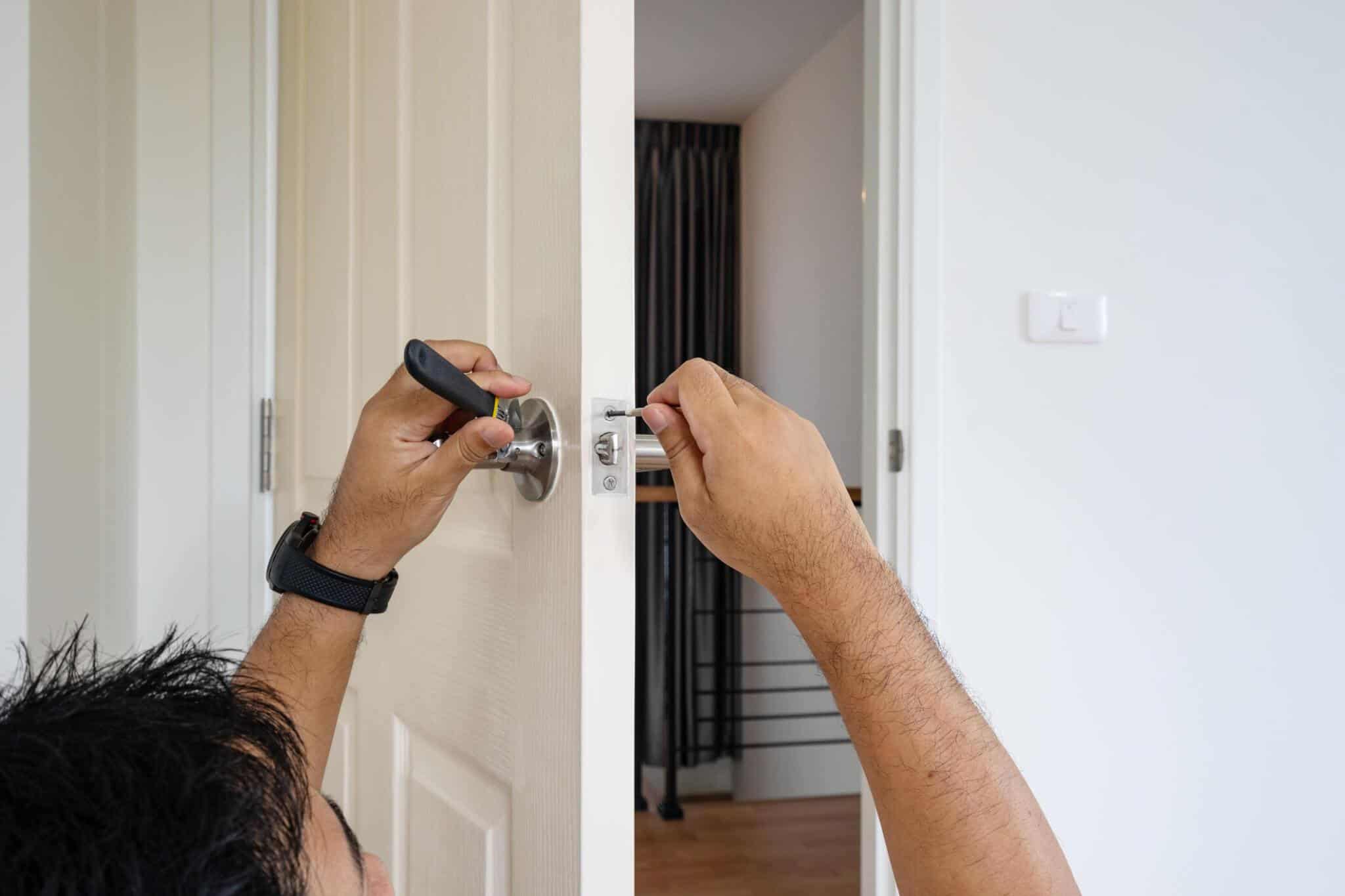


As a homeowner in Australia, maintaining the security of your home is paramount. Yet, many overlook one critical aspect of home security: regular lock maintenance. In this comprehensive guide, we’ll explore why it’s essential to maintain your locks regularly, how it contributes to longevity, and the potential risks of neglect.
Understanding How Often Should You Maintain Your Home Locks
When considering the question, “How often should I maintain my home locks?”, it’s vital to understand the unique patterns of wear on locks within Australia’s varied climate, and how this impacts their optimal performance. As a rule of thumb, planning an annual maintenance and lubrication session is recommended for most residential locks. Nevertheless, in high-traffic areas or places experiencing extreme weather conditions, more frequent checks might be necessary.
Regular inspections are invaluable, as they allow you to spot issues such as subtle rusting or mechanical wear early. These problems are particularly prevalent in coastal or damp environments. Prompt action to address these issues ensures the longevity of your locks and keeps your home security strong.
The Role of Lock Lubrication in Maintenance
Lock lubrication is an essential component of lock maintenance. Over time, friction caused by regular use can lead to wear on the internal mechanical parts of locks. Lubrication significantly reduces this friction, helping to extend the lifespan of your locks and ensuring they function smoothly.
Using a lubricant specifically designed for locks can prevent jamming and enhance the reliability of your home security systems. Additionally, using a lubricant that does not attract dirt and dust is crucial; otherwise, the lock can become clogged and malfunction over time.
- Regular and proper lubrication leads to smoother lock operation.
- Using the right lubricant minimizes the risk of lock jams, thereby ensuring reliability.
Wear and Tear: Understanding What to Look For
All locks will inevitably show signs of wear and tear with time. Common indicators include difficulty in turning the key, locks that “catch”, or visible rust on exterior locks. Ignoring these signs can potentially jeopardize your safety and security, making the locks easier to force open.
Adopting a habit of maintaining a checklist of components that need regular checks (such as door hinges, strike plates and the actual locking mechanism) can help guarantee that nothing vital is overlooked during your regular maintenance check-ups.
Importance of Professional Inspections
While some elements of lock maintenance can be managed as DIY tasks, getting your locks professionally inspected offers the reassurance of knowing no issues have been overlooked. Locksmiths possess the necessary expertise to diagnose hidden issues, offering additional security.
Leveraging the services of professionals from trusted locksmith services, such as Swift Locksmiths, can also involve insights into the latest advancements in lock technology, ensuring your security measures are up-to-date and capable of dealing with evolving threats.
Enhancing Lock Lifespan through Regular Maintenance
With proper maintenance, the longevity of locks can be significantly improved. Regular inspections coupled with timely repairs prevent minor issues from snowballing into situations demanding lock replacements. This approach is both cost effective and ensures that your locks continue to deliver optimal security.
By making regular maintenance a key part of your home security strategy, you protect your investment and secure your home against potential intruders.
Security Risks of Neglecting Lock Maintenance
The ramifications of overlooking lock maintenance are serious. Locks that are not well-maintained tend to malfunction, become unreliable, or even fail completely particularly when placed under stress or in the event of an attempted breach. Such an outcome can significantly increase your home’s vulnerability and expose it to potential security risks.
As per data from the Australian Bureau of Statistics, residences without sufficient security measures are more likely to be broken into, emphasizing the importance of regular lock maintenance in mitigating such risks.

Key Data on the Benefits of Regular Maintenance
| Maintenance Activity | Benefit |
|---|---|
| Annual Inspections | Early detection of wear, allowing for timely preventive measures. |
| Lock Lubrication | Significant reduction in mechanical wear, thereby extending the life of locks. |
| Professional Assessments | Comprehensive evaluation by experts to discover potential issues that are not obvious to the untrained eye. |
The data presented in this table clearly illustrates how simple, consistent actions can have a significant impact on enhancing home security outcomes.
Benefits of Regular Maintenance: The Statistics
According to the Australian Bureau of Statistics, in 2018, approximately 168,000 Australian households fell victim to at least one break-in. Regular maintenance can greatly reduce this possibility. Here are some compelling statistics:
- Performing regular lock maintenance can reduce the possibility of burglary by up to 60% – Crime Statistics Agency, Victoria.
- Homes with robust security measures in place are 85% less likely to be broken into – Australian Institute of Criminology.
In addition to enhancing safety, regular lock inspections also identify potential issues before they escalate, reducing the need for costly replacements and repairs. This preventative measure ensures your safety within your home and provides peace of-mind knowing that your locks and security systems are working as they should.
Visualizing Lock Maintenance Trends
Consider the following chart that represents data trends regarding lock failures in non-maintained systems versus those with routine checks:
The chart illustrates a clear decrease in lock failure rates among homes where regular maintenance is practiced, emphasizing the preventative nature of consistent lock care.
This trend is particularly significant when we consider the implications of lock failures. A lock failure can lead to potential intrusions, increased risk of thefts and trespasses, and increased vulnerabilities in security systems. In light of these risks, it’s clear that maintenance checks can play an integral part in reducing such vulnerabilities.
Let’s delve into the significant aspects of the chart:
- Consistent Decline in Failures: The chart clearly shows a consistent decline in failure rates for those systems where regular checks were conducted. This signifies the effectiveness of routine maintenance in reducing lock failures.
- Higher Failure Rates for Non-Maintained Systems: Conversely, the chart illustrates a steady increase in failure rates for systems that didn’t undergo consistent checks. This reinforces that regular maintenance can play a vital role in preventing lock failures.
Let’s explore some statistical data to illustrate this point more specifically:
| Year | Failure Rate – Non-Maintained Systems (%) | Failure Rate – Maintained Systems (%) |
|---|---|---|
| 2018 | 60 | 35 |
| 2019 | 65 | 30 |
| 2020 | 70 | 25 |
The figures clearly illustrate the difference in lock failure rates between maintained and non-maintained systems over the years. A difference of 25% to 35% failure rate represents a significant impact on the security of the system.
In conclusion, consistent care and maintenance of lock systems are key to preventing failures and ensuring optimal functioning of these systems. These numbers emphasize the importance for homeowners, proprietors, and responsible parties to realize the significant advantage conferred by routine lock maintenance.
Advancements in Lock Technology: Staying Updated
The lock industry isn’t static; innovations frequently emerge, offering enhanced security features. Smart locks, for instance, provide both convenience and extra safety layers but require maintenance expertise to ensure they function correctly without breaches.
By engaging with updated resources and professionals, homeowners can keep their homes protected against more sophisticated attempts of unauthorized entry.
Potential Challenges in Lock Maintenance
While the benefits of quality home security systems are significant, such as providing peace of mind and increasing property value, some challenges can arise that may distress homeowners. These include the availability of high-quality lock lubricants, finding the right professional for annual checks, the range of types, brands, and technologies available, and the potential costs of installation and maintenance. And because home security is such a vital topic, there is a vast well of resources and advice available that can often conflict, requiring homeowners to discern and evaluate the information effectively to make the best decisions for their unique circumstances.
Recent studies show that 34% of burglars enter through the front door, illustrating the importance of maintaining high-quality door locks. However, finding a trustworthy supplier for quality lock lubricants can be challenging. There are numerous products available, differing in terms of composition, performance, and price, which can make the selection process tricky.
- Graphite lubricants: Popular over the years due to their efficiency in lubricating internal lock mechanisms without sticking or gumming. But, these lubricants can be excessively messy, causing unsightly stains.
- PTFE/Teflon-based lubricants: These offer superior lubrication and dirt resistance, making them worth considering despite often being pricier than other alternatives.
- Wet and dry lubricants: These types of lubricants offer various advantages and disadvantages; for instance, dry lubricants tend not to attract as much dust and grime, while wet lubricants can protect against rust.
Engaging an experienced and reliable professional for annual lock checks is another significant challenge. Key points to consider when hiring a locks professional include their local reputation, experience level, licensing and insurance, and whether they offer service guarantees. Without adequately checking these factors, homeowners risk hiring inefficient or untrustworthy professionals.
Overcoming these challenges involves leveraging reputable sources and services to ensure that locks function correctly and enhance home security. Purchasing lock lubricants from reputable vendors, consulting online reviews before purchase, and engaging local, well-recognized locksmiths can make the process less challenging. Below is a comparison chart for some common lock lubricants used:
| Type | Pros | Cons |
|---|---|---|
| Graphite Lubricants | Efficient lubrication | Messy and unsightly stains |
| PTFE/Teflon-based Lubricants | Superior lubrication and dirt resistance | Pricey |
| Dry Lubricants | Doesn’t attract dust and grime | Doesn’t protect against rust |
| Wet Lubricants | Protects against rust | Attracts dust and grime |
By taking an informed approach to challenges, homeowners can ensure their locks and home security systems continue to protect their homes effectively.
Key Takeaways on Lock Maintenance for Home Security
The principal takeaway from this exploration into lock maintenance is its critical role in an effective security strategy for homeowners. By asking “How often should I maintain my home locks?” and adhering to regular maintenance schedules, you ensure longevity and reliability in your security apparatus.
With potential risks and security threats evolving, your approach to home lock maintenance needs to be equally dynamic, incorporating advancements and professional guidance to provide ongoing security for your home.
FAQs about Lock Maintenance for Home Security
What signs indicate that a lock needs maintenance?
Several signs can indicate that a lock needs maintenance. Difficulty in turning the key or a key that gets stuck can be immediate red flags. Other signs include rust or tarnish on the lock, a loose doorknob, and the presence of a sticky or grinding feel when using the lock. These symptoms suggest wear and tear, misalignment, or internal problems that should be addressed to prevent failure. Regular maintenance, guided by professional advice, ensures that small problems do not develop into larger security threats.
How can lock lubrication benefit long-term maintenance?
Lock lubrication plays a pivotal role in long-term maintenance by reducing friction within the lock’s components. This friction, if left unmanaged, can lead to wear and eventual malfunction. Regular application of high-quality lubricants ensures smooth operation, prolongs lock life, and reduces the need for extensive repairs or replacements. By choosing lubricants designed not to attract dust and dirt, you also prevent the internal build-up that can interfere with lock mechanics, ensuring both functionality and security over time.
What should homeowners do if they notice lock wear and tear?
If homeowners notice signs of lock wear and tear, such as difficulty operating the lock, visible rust, or a loose assembly, they should take immediate action. Initiating a maintenance routine that includes lubrication and professional checks is vital. In some cases, immediate intervention by a professional locksmith may be necessary to rekey or replace components. Addressing these issues promptly prevents further damage, maintaining optimal security and avoiding more costly repairs or replacements in the future.
Is it necessary to get professional inspections for home locks?
While some lock maintenance tasks can be DIY projects, professional inspections are periodically necessary to ensure comprehensive security. Professionals have the expertise to diagnose issues unnoticeable to the untrained eye and can recommend necessary upgrades to existing security systems. Regular professional services, such as those offered by Swift Locksmiths, guarantee that your home is not only protected against conventional threats but also equipped for emerging security challenges.


