
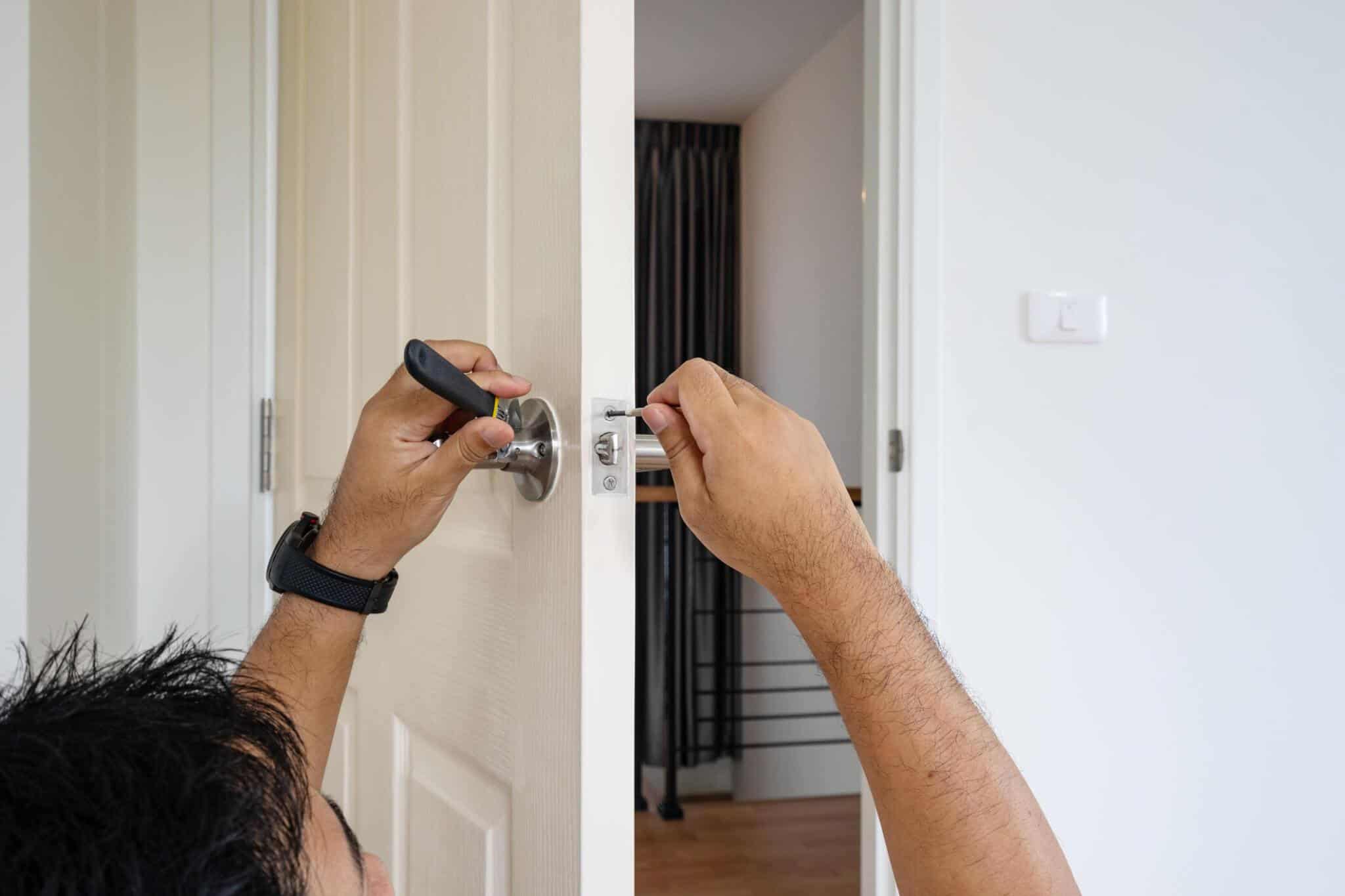


Smart Locks vs Traditional Locks: A Comprehensive Guide
In today’s high-tech world, technology has become an integral part of our daily lives – influencing the way we live, work, and communicate. It’s inevitable then, that technology has also begun influencing our home security, leading to the global rise of smart locks. This guide aims to compare smart locks with traditional locks, providing tech-savvy homeowners with the knowledge they need to decide which is the best fit for their needs.
What are Smart Locks and Traditional Locks?
Smart locks are keyless door locks that connect to a home automation system and tells you if your doors are secure or not. You can lock or unlock your doors via a mobile application, providing enhanced convenience. Some also allow remote control over the internet, giving additional peace of mind for those concerned about security. Traditional locks, on the other hand, are manually operated using a key. This type of lock has been widely used for centuries and, while not as technologically advanced, still remain popular due to their durability and reliability.
Advantages and Disadvantages of Each
Every potential homeowner must consider the advantages and disadvantages of each type of lock. Smart Locks: – Easy access control and remote monitoring – Multiple user access that can also be monitored – Enhanced features such as auto-locking and biometric recognition However, they may also possess some drawbacks: – Higher initial cost – Can be vulnerable to hacking – Depend on electricity or battery life Traditional Locks: – High durability – Not dependent on electricity – Almost impossible to hack However, they also come with limitations: – Lost keys can result in costly lock replacements – No easy way to grant temporary access
Trends and Statistics
According to Statista, the value of the smart lock market was approximately $1.28 billion global revenues in 2017 and is expected to reach $3.62 billion by 2023. These statistics indicate a clear trend towards increased adoption of smart locks, reflecting their growing popularity and preference among consumers.
The Evolution of Home Security
Home security is a universal concern, evolving from simple wooden bars to advanced technology-oriented systems. As part of this evolution, locking mechanisms have advanced significantly. While traditional locks have been a staple for centuries, the advent of smart locks promises enhanced convenience and security features. But the question remains: Are smart locks better than traditional locks for homes? This article delves into the differences between these two types of locks, examining aspects such as security, installation, features, and usability, providing an informed perspective for potential buyers.
Section 1: Security Features
Security is the primary function of any lock, and evaluating the security features of both smart locks and traditional locks is crucial.
Smart Locks
- Encrypted Keyless Entry: Smart locks often use advanced encryption protocols, which can be more secure than traditional physical keys.
- Remote Access: Many smart locks offer remote access, allowing homeowners to lock or unlock doors via smartphones.
- Access Logs: Smart locks can maintain a digital record of all entries and exits, lending transparency and accountability.
Traditional Locks
- Physical Security: Robust mechanical mechanisms typically resistant to common break-in methods.
- Pick Resistance: Advanced designs such as Medeco and Schlage offer enhanced pick-resistant features.
- No Hacking Risk: Unlike smart locks, traditional locks do not face risks from cyber-attacks or hacking.
Section 2: Installation Complexity
Ease of installation is another key consideration when choosing between smart locks and traditional locks.
| Lock Type | Installation Complexity |
|---|---|
| Smart Locks | Can range from simple installations to complex setups requiring professional assistance. |
| Traditional Locks | Generally easy to install, with DIY options readily available for most models. |
Installation time and technical proficiency required can be deciding factors for many homeowners. While traditional locks are more straightforward to install, smart locks often come with detailed instructions but might need Wi-Fi connectivity tests and electrical work.
Section 3: User Convenience and Accessibility
The value of a locking system also lies in its user convenience and accessibility.
Smart Locks
- Keyless Entry: No need to carry keys, reducing the risk of lost keys.
- Remote Control: Locks can be controlled remotely, ideal for granting access to guests or service providers.
- Integration: Can be integrated with smart home systems for enhanced automation.
Traditional Locks
- Simple Operation: Mechanical keys provide straightforward operation, without technical interfacing.
- No Battery Dependence: Unaffected by power or battery failures, guaranteeing reliable operation.
In terms of convenience, smart locks outshine with advanced features but require a level of tech-savviness not mandatory for traditional locks.
Section 4: Durability
Smart Locks
- Material Quality: Built with advanced materials, but longevity can be affected by mechanical parts and electronic components.
- Weather Resistance: Designed to withstand various environmental conditions, though moisture and extreme temperatures can impact performance.
Traditional Locks
- Proven Design: Time-tested designs that last with minimal maintenance.
- Weatherproof: Generally insensitive to environmental changes, remaining functional over time.
Traditional locks often offer superior durability owing to their simpler, more robust construction.
Section 5: Cost Considerations
Smart locks often come at a premium compared to traditional locks, considering their added technology and features.
| Lock Type | Average Cost (USD) |
|---|---|
| Smart Locks | $150 – $300+ |
| Traditional Locks | $20 – $100 |
For budget-conscious homeowners, traditional locks represent a cost-effective option. However, the additional security and convenience offered by smart locks may justify their cost.

Section 6: Aesthetic and Style
Both lock types offer various styles, but preferences might lean based on homeowner desires.
- Smart Locks: Modern designs with LED indicators, available in sleek, minimalist finishes.
- Traditional Locks: Classic designs with various finishes matching different home interior designs.
The aesthetics of smart locks often align with contemporary home designs, while traditional locks offer more classic styles.
Section 7: Compatibility with Existing Systems
Integration into a home’s existing security system may influence a homeowner’s choice.
- Smart Locks: Integrated seamlessly with smart home systems, offering enhanced automation and compatibility with voice assistants.
- Traditional Locks: Standalone use, not requiring any ancillary systems.
For a smart home ecosystem, smart locks have a significant advantage over traditional locks in terms of compatibility.
Section 8: Reliability Factors
Smart Locks
- Dependence on Power: Batteries or electricity needed, risks associated with power failure.
- Software Reliability: Vulnerable to software bugs or cyberattacks.
Traditional Locks
- Mechanical Reliability: Independent of power, always operational.
- Simple Mechanisms: Fewer parts, leading to less potential for malfunction.
In terms of reliable, uninterrupted use, traditional locks might offer more resilience.
Section 9: Technological Advancements and Future-Proofing
With the pace of technological advancement, smart locks evolve continuously, adding innovative features. While they may require updates, these advancements make them future-proof in many respects. Traditional locks, conversely, remain largely unchanged, prioritizing time-tested mechanisms over technological evolution.
Section 10: Industry Trends and Consumer Preferences
The lock industry is seeing a shift towards smart solutions, driven by consumer preference for convenience and integration within smart ecosystems. According to a report by MarketsandMarkets, the smart lock market is expected to grow significantly, reaching $4.4 billion by 2025, with CAGR of 13.1% from 2020 [source: MarketsandMarkets]. However, traditional locks maintain a stronghold due to their reliability and cash-strapped appeal.
Key Takeaways
In the debate over Are smart locks better than traditional locks for homes?, both types offer unique benefits. For those prioritizing cutting-edge convenience and smart integration, smart locks provide unmatched features. Conversely, traditionalists valuing reliability and straightforward security will find traditional locks more appealing. While smart locks promise significant upsides in terms of tech-savvy convenience and automation, traditional locks stand resilient with straightforward, robust security. Both types have their niches, depending on personal preference, budget constraints, and tech affinity.
FAQs
Can I install a smart lock myself, or do I need a professional?
Many smart locks are designed for easy DIY installation, coming with detailed instructions. However, certain models that require integrations with existing smart home systems or modifications to door frames may necessitate professional installation. If you are not comfortable with tech setups or electrical work, hiring a professional may be advisable. Traditional locks generally tend to have straightforward DIY installation processes.
Do smart locks require Wi-Fi or an internet connection?
While many smart locks do utilize Wi-Fi for features like remote access and notifications, not all of them require it to function. Some operate via Bluetooth or have local access modes that work without internet connectivity. It's crucial to check the specifications of the smart lock you are considering to see if it aligns with your home's connectivity capabilities.
Can smart locks work during a power outage?
Most smart locks are equipped with backup power options such as batteries or manual key overrides to ensure they remain functional during power outages. However, some features, particularly those reliant on Wi-Fi or cloud connectivity, might be affected. It's important to ensure regular battery checks and understand the contingency plans of the lock model you choose.
What if I lose my smartphone or forget my smart lock password?
Losing access to your smartphone can usually be remedied through companion apps or web portals where you can reset access credentials. Many smart locks also offer backup options such as a keypad code or physical key. It's critical to keep security measures such as secondary passwords or key backups in mind when choosing a smart lock, as quick retrieval solutions can ease such circumstances.
With the rise in technology and the push towards smarter living, choosing between smart and traditional locks will significantly depend on your preferences and needs. Whether you prioritize innovation or reliability, being informed will ensure the best security for your home.
For further insights into home security and lock systems, visit [Swift Locksmiths](https://swiftlocksmiths.com.au/).


