
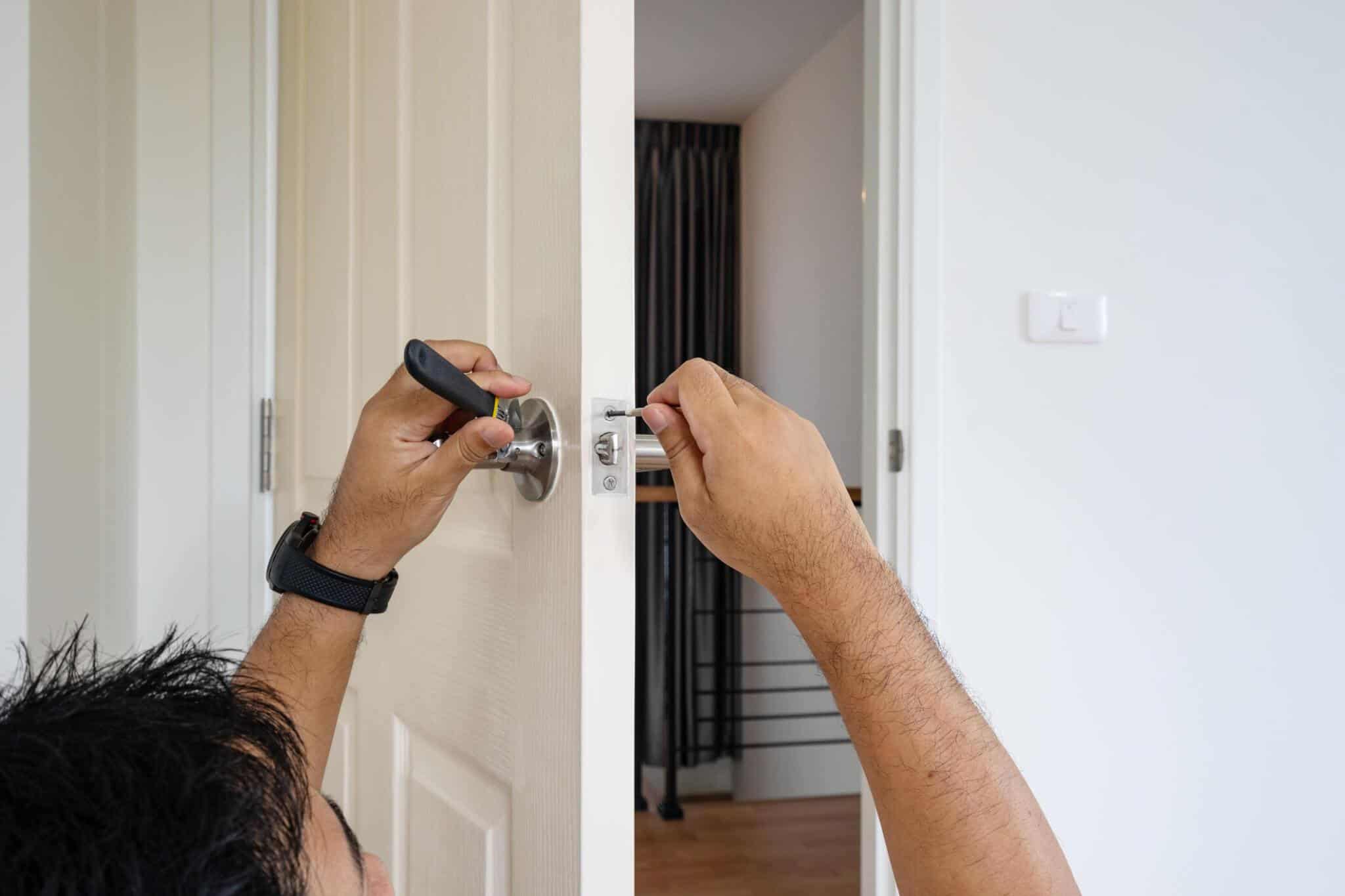


Introduction
Getting locked out of your home or office can be a stressful experience. This comprehensive guide reveals professional locksmith techniques for opening locked doors safely and effectively.
You’ll discover:
- Essential methods used by professional locksmiths
- Step-by-step procedures for different lock types
- When to attempt DIY solutions vs calling experts
Emergency situations demand quick thinking and practical knowledge. Whether you’re facing a lockout during severe weather, need to reach someone in distress, or must access important medications, understanding these techniques could prove invaluable.
This guide explores six key locksmith methods:
- Lock picking with specialized tools
- Bump key techniques for pin tumbler locks
- Strategic drilling procedures
- Bypass tool applications
- Lock pick gun operations
- Physical force methods for extreme cases
For those facing emergency lock problems, such as issues with face recognition locks, it’s crucial to have access to reliable information and professional help.
Remember: While these techniques are used by professionals, some methods require extensive training and specialized equipment. This guide helps you understand the process and make informed decisions about handling locked door situations. If you find yourself in need of immediate assistance, consider reaching out to a mobile locksmith who can provide prompt service.
However, be cautious when searching for a cheap locksmith near you, as not all affordable services offer quality work. It’s essential to strike a balance between cost and the quality of service received.
Understanding Different Types of Locks
Selecting the right unlocking method starts with identifying your lock type. Here’s what you need to know about common residential and commercial locks:
- Pin Tumbler Locks
- Found in 70% of residential doors
- Uses spring-loaded pins to secure the lock
- Requires specific key cuts to align internal components
- Most vulnerable to bump key techniques
- Deadbolts
- Single cylinder: Key outside, thumb turn inside
- Double cylinder: Key required on both sides
- Grade 1 deadbolts offer highest security rating
- Resistant to force entry attempts
- Electronic Locks
- Keypad or biometric entry systems
- WiFi-enabled smart locks with remote access
- Battery-powered with mechanical key backup
- Requires specialized reprogramming tools, such as those discussed in our guide on resetting combination locks
For these types of locks, it’s important to note that mobile locksmith services are often required for tasks like reprogramming or troubleshooting.
- Mortise Locks
- Common in commercial buildings
- Installed inside door frame
- Multiple locking points
- Higher security than standard cylinder locks
- Lever Handle Locks
- Popular in commercial settings
- Push/pull mechanism
- Available in mechanical and electronic versions
- Susceptible to specific bypass methods
Your lock type determines the tools and techniques needed for entry. Professional locksmiths assess the lock mechanism before choosing an appropriate opening method to minimize damage and maintain security integrity.
It’s also crucial to be aware of common locksmith scams and how to avoid them. Additionally, implementing some essential locksmith advice can significantly enhance your home’s security.
Finally, the locksmithing industry has seen a significant transformation with the evolution of locksmithing from traditional to digital locks, reflecting the changing needs and technological advancements in security systems.
1. Lock Picking Technique
Lock picking is a precise manipulation technique that requires understanding the internal mechanisms of a lock. Professional locksmiths, like those at Swift Locksmiths, use specialized tools to manipulate these components:
- Tension Wrench: Applies rotational pressure to the lock cylinder
- Pick Set: Contains various picks for different pin configurations
- Hook Pick: Manipulates individual pins inside the lock
- Rake Pick: Quickly sets multiple pins simultaneously
The basic process involves:
- Insert tension wrench into bottom of keyway
- Apply light rotational pressure
- Use pick to manipulate pins one by one
- Listen for clicking sounds indicating set pins
- Maintain consistent pressure until lock opens
Skill Level Required: Lock picking demands extensive practice, deep knowledge of lock mechanisms, and refined motor skills. Professional locksmiths typically spend hundreds of hours mastering these techniques through hands-on training.
When to Use Lock Picking:
- Non-destructive entry method
- Original key needs to remain functional
- High-security locks that resist other entry methods
- Situations requiring minimal damage
Lock picking serves as an essential skill for locksmiths working with:
- Residential door locks
- Filing cabinet locks
- Padlocks
- Basic commercial locks
This technique proves most effective on pin tumbler locks, which represent the majority of residential locks in use today. For more insights and updates on locksmith services and techniques, you can check out the blog section of Swift Locksmiths. Additionally, if you’re interested in news related to locksmithing, their news category might be worth exploring.
2. Using Bump Keys on Pin Tumbler Locks
Bump keys are a specialized locksmith technique designed specifically for pin tumbler locks. These modified keys have unique ridges cut to a specific depth, allowing them to manipulate the lock’s internal pins.
Step-by-Step Bump Key Process:
- Insert the bump key into the lock, leaving it one notch out
- Apply slight rotational pressure to the key
- Strike the key’s head with a bumping tool
- Turn the key as the pins align momentarily
The striking action causes the pins to jump, creating a brief moment when all pins align at the shear line. This temporary alignment allows the lock to turn and open.
Benefits of Bump Key Method:
- Quick entry in emergency situations
- Minimal damage to the lock mechanism
- Cost-effective compared to drilling
- Reusable solution for future lockouts
However, it’s important to note that this method is not without risks. Potential dangers include:
- Lock damage if performed incorrectly
- Security vulnerability for affected lock types
- Legal implications if used without authorization
- Ineffectiveness on high-security or anti-bump locks
Professional locksmiths carefully assess each situation before choosing bump keys as their entry method. The technique requires precise execution and specific tools to achieve successful results without compromising the lock’s integrity.
For those who may find themselves locked out and require immediate assistance, emergency locksmith services can provide a quick solution. These professionals are equipped with various tools and techniques, including but not limited to bump keys, which they use judiciously based on the situation at hand.
Moreover, understanding the different types of keys can be beneficial for homeowners and DIY enthusiasts alike. Each type serves a specific purpose and knowing this can aid in better managing your home’s security.
In instances where you need to remove, replace or fix any door knob, handle or lock, having a comprehensive guide can be incredibly useful. Such resources provide step-by-step instructions that cater to both novice and experienced DIYers alike.
3. Drilling as a Last Resort Technique
Drilling represents the most invasive method of lock opening, reserved for situations where non-destructive techniques have failed. Professional locksmiths turn to drilling when:
- Lock mechanisms are severely damaged
- Keys are broken inside the lock
- Electronic locks have malfunctioned beyond repair
- High-security locks resist standard picking methods
The drilling process requires precise execution to minimize damage:
- Initial Assessment: Locksmiths identify the drill point by examining the lock’s make and model
- Drill Point Selection: A specific spot is marked where drilling will bypass the lock’s security features
- Controlled Drilling: Using specialized drill bits at specific angles to avoid damaging surrounding mechanisms
Cost Implications:
- Lock replacement: $50-200
- Door repairs (if needed): $100-500
- Labor costs: $75-150 per hour
- Emergency service fees: Additional $50-100
Potential Damage Risks:
- Complete lock destruction
- Door frame damage
- Compromised door integrity
- Possible need for door replacement
Professional locksmiths maintain insurance coverage for accidental damage during drilling procedures. They document the entire process and provide detailed cost estimates before proceeding with this destructive method.
Note: Drilling should never be attempted by untrained individuals as it can result in extensive property damage and increased repair costs.

4. Bypass Tools for Quick Unlocking Methods
Bypass tools are an advanced way to unlock doors without using traditional lock picking techniques. These specialized tools enable locksmiths to quickly open locked doors while keeping the lock intact.
Common Bypass Tools Include:
- Latch Slips – Thin metal tools that slide between the door and frame to push back the latch
- Under-Door Tools – Long, flexible devices that reach around doors to manipulate handles from the other side
- Air Wedges – Inflatable tools that create space between the door and frame
- Thumb Turn Tools – Specialized instruments for manipulating interior thumb turns through the exterior
- Credit Card-Style Tools – Professional-grade plastic cards designed to slip spring-loaded latches
For those in need of car unlocking services, bypass tools can also be utilized effectively by professional locksmiths in such scenarios.
Key Advantages of Bypass Methods:
- No damage to the lock mechanism
- Quick entry times (typically 2-5 minutes)
- Reusable tools for multiple applications
- Cost-effective solution for clients
- Works on both mechanical and some electronic locks
Bypass tools require specific knowledge of door construction and locking mechanisms. Professional locksmiths select appropriate bypass methods based on:
- Door type and material
- Lock brand and model
- Security features present
- Access point vulnerabilities
- Time constraints
These non-destructive entry methods preserve both the door and lock functionality, making them ideal for residential and commercial applications where maintaining security system integrity is essential.
5. Lock Pick Guns: A Rapid Movement Technique
Lock pick guns are an advanced tool used by locksmiths. Unlike traditional methods that require time and patience, these tools offer a quick solution for unlocking various types of locks.
How Lock Pick Guns Work:
- The tool delivers a sharp impact to the bottom pins
- This force transfers to the driver pins
- The momentum separates the pins at the shear line
- A tension wrench turns the plug while pins are separated
Lock pick guns can be effective on certain types of locks, but their success rate varies:
High Success Rate:
- Standard pin tumbler locks
- Basic wafer locks
- Traditional deadbolts
Limited Effectiveness:
- High-security locks
- Locks with security pins
- Electronic locks
Professional locksmiths undergo specific training to master lock pick guns. The learning process includes:
- Understanding internal lock mechanisms
- Proper tool positioning techniques
- Pressure control methods
- Practice with different lock types
- Safety protocols
The rapid movement technique requires precise control – applying too much force can damage the lock’s internal components. Skilled locksmiths combine this method with their knowledge of lock mechanics to achieve optimal results while preserving lock integrity.
However, it’s important to note that not all locks are created equal. For instance, when it comes to analysing different safes types, locksmiths divide safes into different models based on their characteristics and applications.
6. Physical Force Tools for Extreme Cases
Physical force tools are the last resort when it comes to opening doors. We only use these methods in critical emergency situations such as:
- Life-threatening situations that require immediate entry
- Fires or smoke that pose an imminent danger
- Medical emergencies that need instant access
- Natural disasters that create urgent situations
The most common physical force tools we use include:
- Hydraulic spreaders – Used to create pressure between the door and frame
- Battering rams – Applied for heavy-duty commercial doors
- Sledgehammers – Effective on wooden doors and frames
- Crowbars – Utilized for leveraging and prying
These methods always result in significant damage to:
- Door structure
- Lock mechanisms
- Door frames
- Surrounding walls
Before using physical force, professional locksmiths assess the structural integrity of the building. The cost implications include both the emergency service and complete door replacement. Property owners should keep records of emergency situations that required forceful entry for insurance purposes.
In many cases, these extreme measures could have been avoided if there was a better understanding of door hardware. For example, learning how to remove, repair, or replace door knobs and handles could save valuable time and prevent unnecessary damage during emergencies. This expert guide provides detailed insights into these processes, offering professional solutions for common door knob entry and handle issues, including misalignment and jammed locks.
Importance of Hiring Professional Locksmiths vs DIY Attempts
While DIY lock opening attempts may seem like a quick solution, they often lead to costly damages and potential security risks. On the other hand, professional locksmiths bring expertise, specialized tools, and insurance coverage to protect your property.
Benefits of Hiring Qualified Locksmiths:
- Licensed and insured services
- Advanced diagnostic capabilities
- Non-destructive entry methods
- 24/7 emergency availability
- Guaranteed workmanship
For instance, Swift Locksmiths offers a range of professional locksmith services in Melbourne, including advanced commercial locksmith services. Their expertise extends beyond just opening doors – they can assess your security needs, recommend upgrades such as digital handles, and provide maintenance services to prevent future lockouts.
Finding a Reputable Locksmith:
- Check online reviews and ratings
- Verify business licenses
- Ask for upfront pricing
- Request proof of insurance
- Confirm physical business address
A qualified locksmith’s service cost is minimal compared to the potential property damage from DIY attempts. For example, if you’re in Hawthorn, Swift Locksmiths provides 24/7 emergency locksmith services that can be a lifesaver in urgent situations.
Pro Tip: Save a trusted locksmith’s contact information before you need their services. Emergency situations aren’t ideal for vetting service providers.
FAQs (Frequently Asked Questions)
What are the different types of locks I might encounter?
Common types of locks include pin tumbler locks, deadbolts, electronic locks, mortise locks, and lever handle locks. Each has its own mechanisms and unlocking methods.
How does the bump key method work for unlocking pin tumbler locks?
The bump key method involves inserting a specially designed key into the lock and striking it to manipulate the pins inside. This technique allows for quick entry with minimal damage to the lock.
When should I consider drilling a lock?
Drilling should be considered as a last resort when all other unlocking methods have failed. It is an invasive technique that can cause permanent damage to the lock.
What are bypass tools and how do they work?
Bypass tools are advanced instruments used to unlock doors without traditional methods. They often include latch slips that slide between the door and frame, allowing for quick access without damaging the lock mechanism.
Why is it important to hire a professional locksmith instead of attempting DIY methods?
Hiring a professional locksmith ensures that the job is done correctly and safely. DIY attempts can lead to further damage or complications, which may result in higher repair costs compared to hiring an expert from the start.


