
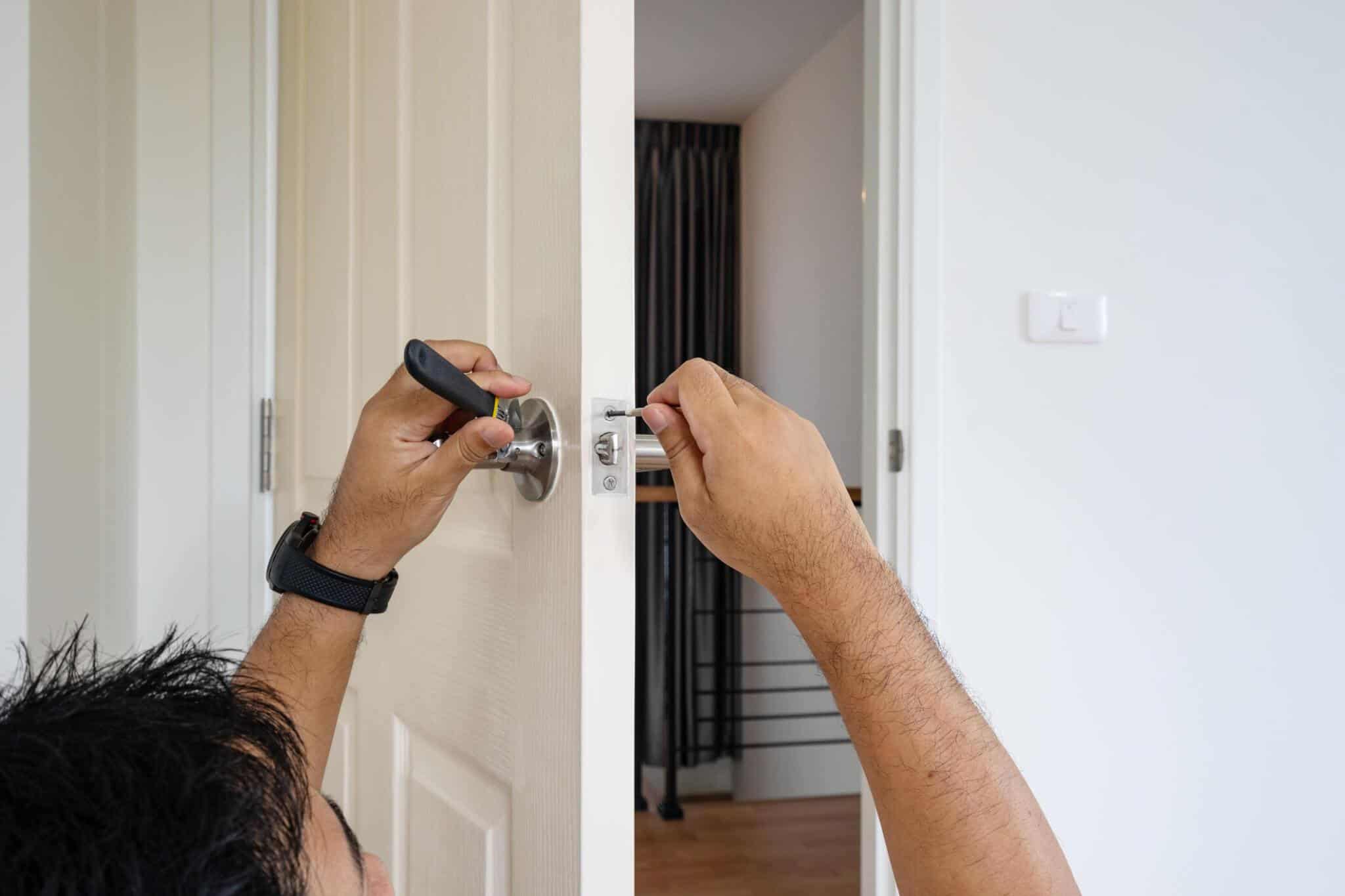


In the highly competitive hospitality environment, hotel safe security has emerged as a paramount concern for both hoteliers and tourists, particularly in places where tourism serves as a major economic driver, such as Australia. As the number of worldwide hotel visitors continues to dramatically increase, these individuals desire the highest level of protection for their personal items and valuable possessions, making hotel safe security a key factor for successful hotel operations.
Contemporary Trends in Hotel Safe Security
Understanding that customers’ assurance for their belongings can positively impact their overall experience and loyalty, the hospitality industry incessantly adapts to emerging trends in hotel safe security, including:
- Integration of Technology: The advent of digital lodging has led to an increased use of electronic safes, which are more secure and customizable.
- Biometric Safes: Fingerprint or retinal scanning safes are being adopted by high-end hotels, affording extra layers of security.
- In-Room Safes: More hotels are now offering in-room safes, enhancing the guest’s sense of safety and privacy.
Challenges in Hotel Safe Security
Secure Storage Options: Advancement and Challenges
Over the past few years, there has been a significant advancement in secure storage options. Innovative technologies such as blockchain encryption, cloud storage, biometric safes, and others have revolutionized the sector. However, many challenging aspects impede the overall security sector’s growth and efficacy.
High Cost of Technology Adoption
The latest technological advancements in secure storage options come with a hefty price tag. This high cost can be a primary deterrent for many individuals and small-to-mid-sized businesses striving to improve their security direction. Often, the financial burden of these systems outweighs their benefits leading to a reluctancy in adoption.
- The average cost of adopting cloud storage technology for companies can range from $3 to $5 per user per month for basic plans.
- High-end biometric security systems might cost up to $2000 or more depending on the features and brand.
Customer Forgetfulness
The irony of advanced security systems is their susceptibility to human factors. People can often forget their security codes, passwords, or lose keys, resulting in locked safes and inaccessible storage units.
- According to a survey, over 60% of users forget their passwords, leading to locked accounts or secure storage safes.
Potential Vulnerabilities in Digital Security Systems
Despite their sophistication, digital security systems often present their potential vulnerabilities. Hackers and cybercriminals are continually finding ways to exploit these vulnerabilities leading to security breaches.
Secure Storage Technology Statistics
| Technology | Adoption Rate (%) | Estimated Cost |
|---|---|---|
| Cloud Storage | 50 | $3 – $5 user/month |
| Biometric Safes | 35 | Up to $2000 |
In conclusion, while it’s crucial to keep pace with technological advancements in the secure storage sector, companies and individuals must also remain mindful of the associated challenges. Striking a balance can lead to effective and practical security practices, enhancing peace of mind and robust safeguarding of valuable assets.
Technological Innovations
While digital safes and biometrics present innovative solutions, artificial intelligence (AI) and Internet of Things (IoT) are also reshaping the security landscape. Automated systems powered by AI can offer continuous monitoring and predictive maintenance, ensuring optimal performance of safe security systems. Meanwhile, the IoT can enable centralized control and real-time alerts about security anomalies.
Effective Practices in Ensuring Optimal Hotel Safe Security
Based on industry best practices and current trends, a few effective ways to ensure optimal safe security in hotels include:
- Prioritizing regular maintenance and immediate repair of safes
- Providing training to guests on how to use safes
- Ensuring the availability of a reliable backup system
- Keeping up with the latest trends and adopting pertinent ones
According to research published by Statistics.com, approximately 43% of hotel guests use hotel safes, highlighting their importance.
| Purpose of Safe Use | Percentage of Guests |
|---|---|
| Valuables | 33% |
| Passports | 25% |
| Cash | 20% |
| Other | 22% |
In conclusion, hotel safe security is not just about protecting customers’ belongings, but it’s a strategic business component geared towards enhancing customer satisfaction and loyalty.

Understanding the Importance of Hotel Safe Security
The hospitality industry globally and in Australia relies heavily on providing a sense of security to its guests. As tourists from various demographics visit cities across the nation, the responsibility of safeguarding their belongings rests with the establishments they lodge in. According to a report by the Australian Bureau of Statistics, international tourism contributed AUD $60 billion to the national economy in 2019 alone, underlining the sector’s significance.
Current State of Hotel Safe Security
Data from Hospitality Magazine indicates that, on average, 88% of Australian hotels provide in-room safes to their guests. However, surveys demonstrate varying levels of trust in these facilities, with guests expressing concerns about outdated technology and insufficient security measures. An article from The Age highlighted that a significant percentage of hotel safes are susceptible to generic override codes, posing substantial security risks.
Technological Advancements in Safe Security
As the need for enhanced security grows, so does the rate of technological advancement in the field. Modern hotel safes are now equipped with features like biometric access and smart connectivity that allow real-time monitoring and notifications. According to a study conducted by TechRadar, there has been a 45% increase in the adoption of biometric safes in hospitality venues over the past five years, reflecting an industry shift toward futuristic security solutions.
| Year | Traditional Key Card Safes | Biometric Safes | Smart Safes |
|---|---|---|---|
| 2018 | 72% | 15% | 13% |
| 2020 | 61% | 25% | 14% |
| 2023 | 50% | 30% | 20% |
Regulatory Standards and Compliance
Security in hotel safes also involves adhering to industry standards and regulatory compliances. The Australian Security Industry Association Limited (ASIAL) provides a framework that many hotels utilize to ensure their security measures are up to date. Regular audits and compliance checks form integral processes in maintaining these standards, safeguarding both the guests’ trust and the hotel’s reputation.
Challenges Facing Hotel Safe Security
Hotel safe security is a critical aspect of effective hotel management. However, despite noticeable progress in digital technologies, several challenges persist in maintaining effective security systems, particularly when it comes to the management of hotel safes. Hotels, especially smaller establishments, face a range of difficulties that need to be effectively addressed.
Main Challenges and Solutions
Among the critical challenges are high costs, system integration issues, and inadequate training. The Security Industry Association’s latest study confirms these challenges.
- Costs of Upgrading: Innovations in security technologies often imply a sizable budget for acquiring and implementing new solutions. This can be particularly prohibitive for smaller businesses that may not reach the return-on-investment threshold quickly enough. As a result, many small hotels still rely on antiquated safe technologies or execute only partial upgrades that may leave some security gaps.
- System Integration: Incorporating new digital safe technologies into the established systems can be complex and stressful. This process often requires time, technical expertise, and potential disruption to everyday operations. Hotels need to manage this transition diligently and mindfully, with minimal impact on guests.
- Improper Training and Use: Many hotel employees may not have sufficient training to use or maintain the latest security technologies. This issue can lead to improper use of these systems, making them less effective or even faulty.
Importance of Adequate Training
Globally, a significant number of hotel safe security breaches can be attributed to their misuse or incorrect usage by hotel staff. According to the Security Industry Association’s whitepaper, 35% of the recorded security issues were linked to incorrect use or maintenance of safes. Therefore, hotels need to invest more in staff training sessions to improve their technological know-how and handling abilities.
Statistics on Challenges in Hotel Safe Security
| Challenges | Percent | Remarks |
|---|---|---|
| High Costs | 60% | Most prevalent in Small-medium enterprises |
| System Integration | 50% | Frequent with hotels upgrading to comprehensive digital safes |
| Improper Training | 35% | Common issue across all hotel sizes |
These challenges demand timely solutions. While it is crucial to stay updated with technological advancements, it is equally important that the transition is managed smoothly, and the hotel staff are adequately trained to use and maintain the new systems effectively.
Best Practices for Hotel Security Management
Best practices include regular training of hotel staff on the operation and troubleshooting of safes, routine maintenance and audits, and employing state-of-the-art technology that guests trust. Establishments should also prioritize clear communication regarding security protocols with their guests, enhancing the feeling of safety and reassuring their patrons of the measures taken to protect their belongings.
Emerging Trends: Smart Security Solutions
Smart solutions are revolutionizing the field by integrating Internet of Things (IoT) devices that allow for remote access control and real-time monitoring. This innovation not only enhances security but also offers data insights that can be used to enhance guest services strategically. As reported by Hospitality Net, investment in IoT for security solutions is projected to grow by over 15% annually.
Case Study: Successful Implementation in Australia
Several Australian hotels have become pioneers in implementing cutting-edge safe technologies. For instance, a Melbourne-based hotel recently transitioned to biometric safes, which resulted in a 40% increase in guest satisfaction concerning in-room safety. This initiative also demonstrated reduced incidents of security breaches, setting a benchmark for other establishments.
The Future Outlook of Hotel Safe Security in Australia
The trajectory for hotel safe security is steep, with ongoing technological advancements and the increasing need for tailored security solutions. The focus is shifting towards creating a seamless integration of security mechanisms that align with guest expectations. As hotels in Australia continue to compete on a global scale, those that can effectively balance innovation with reliability will likely lead in attracting and retaining guests.
Key Takeaways
As the hotel industry in Australia continues to grow, emphasizing effective safe security is crucial not just in enhancing guest experience but also in protecting their belongings. The integration of advanced technologies such as biometric and smart safes is gradually reshaping security protocols, but challenges such as cost and integration complexity remain. By adopting best practices and keeping abreast of emerging trends, hotels can better assure their guests of secure and satisfying stays.
Frequently Asked Questions
How can guests ensure their belongings are safe in a hotel?
Guests can enhance the security of their belongings by using hotel safes for storing valuables, ensuring they set a unique access code, and inquiring about the safe’s security features upon check-in. Keeping a list of stored items and using personal locks where possible are also recommended for peace of mind.
Are biometric safes more secure than traditional models?
Biometric safes generally offer enhanced security compared to traditional models due to their reliance on unique biological identifiers such as fingerprints. This makes them less susceptible to common vulnerabilities like key or code duplication. However, it's important that these systems are well-maintained and that staff are trained in resolving any technical issues promptly.
Is there a standard regulation for hotel safes in Australia?
While there is no one-size-fits-all regulation specifically for hotel safes in Australia, hotels are expected to adhere to general security standards outlined by organizations such as the Australian Security Industry Association Limited (ASIAL). Compliance with these standards helps ensure that safes provide a minimum level of security for guests' items.
How can hotel management improve safe security?
Hotel management can improve safe security by regularly updating technology, performing routine inspections, and training staff on security protocols. Implementing advanced technological solutions such as smart and biometric safes can also boost security levels significantly. Equally important is engaging with trusted service providers like https://swiftlocksmiths.com.au/ for expert advice on locking systems.
As you explore the landscape of hotel safe security further, you’ll gain a stronger understanding of the intricacies involved and the dynamics that this essential aspect of hospitality entails. With these insights, hotels can better manage the balance between technological investments and cost-efficiency to provide enhanced security for their guests.


